Abstract Harmony Backgrounds: Elevate Your Digital Designs
Understanding Abstract Harmony Backgrounds
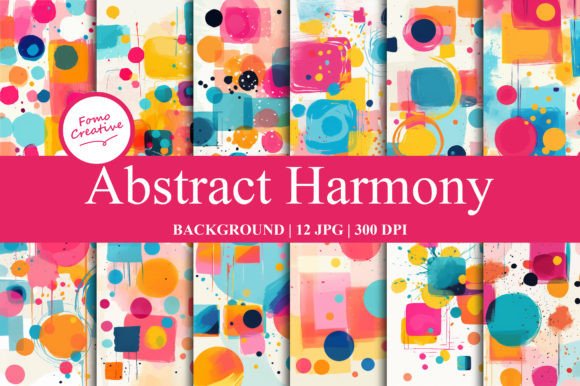
Abstract Harmony Backgrounds are digital paper backgrounds designed to add visual depth and artistic flair to creative projects. These high-resolution JPG files feature abstract compositions with flowing shapes, soft gradients, and balanced color palettes that create a sense of movement and cohesion. Unlike generic stock backgrounds, Abstract Harmony Backgrounds carry a distinct personality—modern yet timeless, bold yet refined. They work as versatile design assets that can anchor a layout without overwhelming other elements.
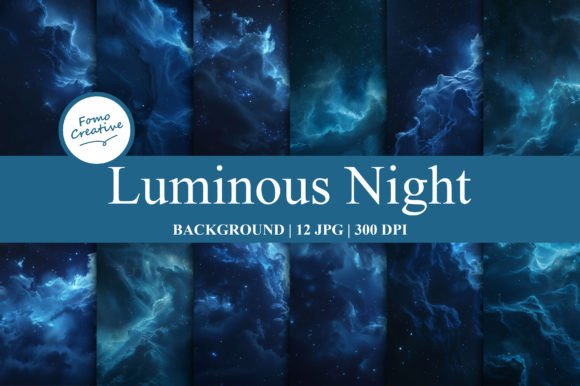
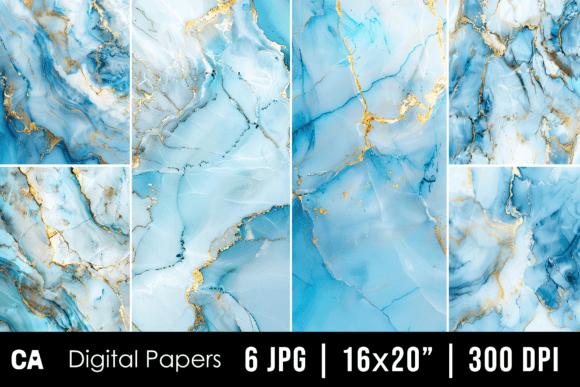
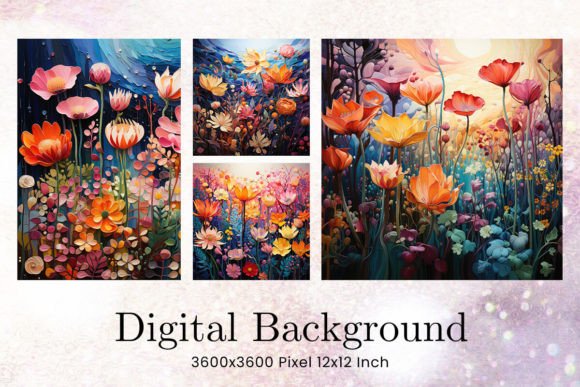
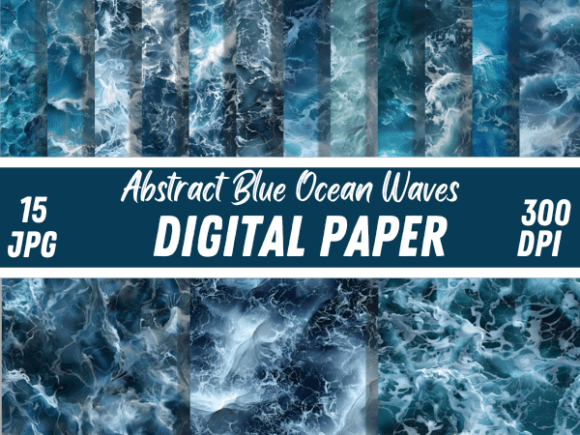
The visual characteristics of these backgrounds include layered textures, organic forms, and subtle color transitions. Some files lean toward warm earth tones, while others explore cool blues and purples. The "harmony" in the name reflects how these elements blend seamlessly, creating backgrounds that feel intentional and professionally crafted. For designers who struggle with creating backgrounds from scratch, these files save significant time while maintaining quality standards expected in professional work.
Practical Applications Across Creative Projects
Abstract Harmony Backgrounds excel in numerous design scenarios. For brand identity projects, they can serve as subtle backdrops for logo presentations or brand guidelines. The abstract nature allows them to complement rather than compete with primary design elements. When used in packaging design, these backgrounds add texture and visual interest to product labels, boxes, and promotional materials without distracting from essential product information.
In editorial design, these backgrounds work beautifully for magazine layouts, book covers, and digital publications. They provide visual breathing room between text blocks and images, improving overall readability. For web design, abstract backgrounds can enhance hero sections, about pages, or portfolio displays. They're particularly effective when paired with clean sans serif fonts that maintain legibility against the textured surfaces.
Small business owners and entrepreneurs will find Abstract Harmony Backgrounds valuable for creating professional-looking social media graphics, email headers, and presentation slides. The instant download format means you can access these design assets immediately—no waiting for shipping or dealing with physical materials. Each file prints clearly at 300 DPI, making them suitable for both digital and print applications.
Incorporating Abstract Harmony Backgrounds Into Your Workflow
When selecting which Abstract Harmony Backgrounds to use, consider your project's color scheme and emotional tone. A warm, flowing background might suit a wellness brand or lifestyle blog, while cooler, geometric abstracts could work better for technology companies or financial services. Always test backgrounds with your actual content—overlay text, logos, and images to ensure adequate contrast and readability.
Font pairing becomes crucial when using textured backgrounds. Serif fonts often work well for headlines against abstract backgrounds, providing classic contrast to modern textures. For body text, choose sans serif fonts with sufficient weight to remain legible. Avoid overly delicate script fonts or thin handwritten fonts that might get lost in complex background patterns.
Consider the practical limitations mentioned in the product specifications. Colors may appear differently across monitors and printers, so always do a test print for critical projects. Remember these are digital files with no physical item shipped—perfect for immediate use but requiring proper file management on your end. The absence of cutting files means these backgrounds are designed for full-page use rather than die-cut projects.
Maximizing Value From Your Digital Backgrounds
Professional designers appreciate how Abstract Harmony Backgrounds integrate into existing workflows. They work seamlessly with major design software like Adobe Photoshop, Illustrator, and InDesign. For those using Canva or other online platforms, these JPG files upload directly and can be adjusted with standard editing tools. The versatility extends to various project types—from wedding invitations to corporate presentations to social media content.
When evaluating commercial use, review the licensing terms carefully. While these backgrounds are royalty-free for most projects, some restrictions may apply for mass-produced merchandise or resale items. Always verify the specific usage rights for your intended application. For businesses creating consistent visual content, these backgrounds help maintain brand consistency across multiple platforms and materials.
The real value of Abstract Harmony Backgrounds lies in their ability to solve common design challenges quickly. Instead of spending hours creating custom backgrounds or settling for generic options, these curated files provide professional results with minimal effort. They're particularly useful for content creators, bloggers, and small business owners who need polished visuals but lack extensive design training or resources.
Choosing the Right Background for Your Project
Not every abstract background suits every project. Consider these practical guidelines when selecting from your collection:
- Evaluate contrast: Ensure your text and primary elements remain readable against the background
- Match the mood: Select backgrounds that align with your project's emotional tone and brand personality
- Test scalability: Verify the background looks good at both small and large sizes for your intended use
- Consider cropping: Abstract backgrounds often work well when cropped to focus on specific areas
For logo design presentations, use abstract backgrounds sparingly—perhaps as a subtle texture behind mockups rather than as primary design elements. In social media graphics, these backgrounds can make quotes, announcements, or promotional posts stand out in crowded feeds. The key is balancing visual interest with functional clarity.
Remember that Abstract Harmony Backgrounds are tools to enhance your creative work, not replace thoughtful design strategy. Used effectively, they add professionalism and visual sophistication to projects across industries. Whether you're designing for personal enjoyment or commercial purposes, these digital assets offer practical solutions for common design challenges while saving valuable time and resources.