Colorful Wood Seamless Backgrounds: Your Creative Toolkit
Finding the right background texture can be a surprisingly difficult part of the design process. A background needs to be interesting enough to add depth and character, but not so overpowering that it distracts from the main content. It has to be versatile, high-resolution, and easy to work with. This is where a well-crafted collection of textures like Colorful Wood Seamless Backgrounds becomes an invaluable asset for any creative professional's toolkit. It solves the common problem of needing a dynamic, organic foundation for a project without the hassle of creating one from scratch.
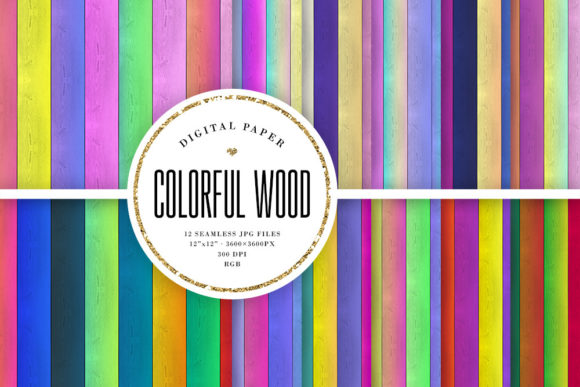
This collection provides exactly what its name suggests: 12 seamless JPG files designed to mimic the natural beauty of wood grain, but with a vibrant, colorful twist. Each file is a generous 3600×3600 pixels, which translates to a crisp 12-inch by 12-inch print dimension at 300 DPI. This high resolution is crucial, ensuring your designs look sharp and professional whether they're viewed on a high-density screen or printed on physical media. The RGB color mode makes them perfectly optimized for digital applications, from web design to social media graphics.
Understanding the Aesthetic: More Than Just a Wood Texture
The true appeal of these backgrounds lies in their unique personality. They aren't the rustic, weathered barn wood you might find in a farmhouse-themed design. Instead, think of them as a modern interpretation of a natural material. The "colorful" aspect is key. Imagine the familiar, comforting lines of wood grain, but rendered in unexpected hues—perhaps a deep teal, a vibrant coral, a soft lavender, or a rich mustard yellow. This fusion of organic pattern and contemporary color creates a versatile visual style that is both playful and sophisticated.
This aesthetic strikes a perfect balance. It’s warm and approachable due to the wood texture, yet energetic and forward-thinking because of the color palette. This makes it a fantastic choice for brands and projects that want to feel both trustworthy and innovative. It avoids the sterility of a flat color background while offering more creative control than a standard photograph. The seamless nature of the files is another critical feature, allowing you to tile them to fill any size canvas without visible, jarring seams, ensuring a polished and professional result every time.
Practical Applications: Where These Backgrounds Shine
The versatility of Colorful Wood Seamless Backgrounds makes them a go-to resource across a wide range of projects. Their strength lies in their ability to adapt to different contexts, providing a consistent yet dynamic foundation for your creative work.
For Digital and Web Design
In the digital space, these textures can instantly elevate a user interface or online presence. Consider using them for website hero sections to create an immediate visual impact. They work beautifully as backgrounds for e-commerce product displays, especially for items like cosmetics, artisanal foods, or handmade crafts, where a touch of warmth and personality can boost perceived value. For bloggers and content creators, they are perfect for creating eye-catching social media graphics, quote cards, and story backgrounds that stand out in a crowded feed. They can also be used subtly as textured backgrounds for call-to-action buttons or feature sections on a landing page, adding depth without compromising readability.
For Branding and Marketing Materials
A strong brand identity relies on a cohesive visual language, and texture plays a significant role. These colorful wood backgrounds can become a signature element of a brand's look and feel. Imagine a coffee shop using a warm, brown-toned version on its menu and loyalty cards, or a tech startup using a cool blue or green version in its pitch decks and social media ads. They are excellent for creating unique and memorable packaging design for products, making them pop on the shelf. For entrepreneurs and small business owners, using these backgrounds in digital ads, email headers, and promotional flyers can create a professional and unified aesthetic that builds brand recognition and trust.
For Print, Publishing, and Personal Projects
Thanks to the 300 DPI resolution, these backgrounds are perfectly suited for high-quality print applications. They can serve as the foundational layer for editorial design, such as magazine layouts, book covers, or report covers, adding a layer of visual interest. Crafters and hobbyists will find them incredibly useful for creating custom stationery, invitations, scrapbooking elements, and printable wall art. They can even be used as a backdrop for product photography, providing a clean, consistent, and colorful surface that complements the subject without creating distracting shadows or textures.
Working with Textures: A Designer's Perspective
Simply placing a textured background behind your text is rarely the best approach. The key to using any design asset effectively is thoughtful integration. When working with a prominent texture like Colorful Wood Seamless Backgrounds, the goal is to create a harmonious relationship between the background and the foreground content.
First, consider readability. If you're placing text directly over the background, you need to ensure there is enough contrast. A simple technique is to place a semi-transparent overlay—a solid color or a subtle gradient—between the background and the text. This creates a more legible "canvas" for your typography while still allowing the texture to peek through and add character. Alternatively, you can use the background within specific shapes or frames, leaving clean, solid areas for your main text.
Second, think about visual hierarchy. The background should support your message, not compete with it. If your background has a particularly vibrant color or busy grain, opt for simpler, bolder typography. A clean sans serif font often pairs well with an organic, colorful texture, creating a pleasing contrast between the modern typeface and the natural pattern. The goal is to use the background to set the mood and tone, while your typography and other design elements deliver the core information clearly and effectively. This thoughtful approach ensures your designs are not just beautiful, but also functional and professional.