Capturing Cozy Nostalgia with Vintage Coffee Patterns Backgrounds
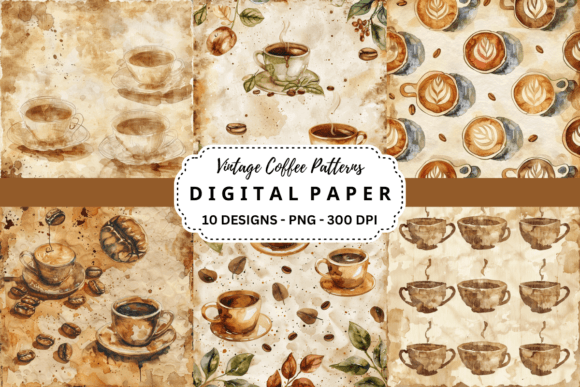
There is a specific, warm feeling that comes with a well-loved coffee shop—the aroma, the soft chatter, the comfortable chairs. For designers and creators, capturing that feeling in a visual project can be challenging. This is where a resource like the Vintage Coffee Patterns Backgrounds collection becomes invaluable. It’s not just a set of images; it’s a curated atmosphere, packaged into ten high-resolution PNG files designed to instantly inject warmth, texture, and a touch of nostalgic elegance into any creative work.
More Than Just a Backdrop: The Character of These Patterns
At its core, this collection offers premium design assets. Each file is a substantial 3600 x 3600 pixels at 300 DPI, ensuring crisp, professional results for both digital and print projects. But the real value lies in their visual personality. These aren't generic, sterile backgrounds. They embody a handcrafted, artisanal aesthetic. Think of the intricate latte art etched into a foam surface, the delicate veining of a coffee bean, the warm, muted tones of aged paper stained with espresso, or the whimsical line drawings of vintage coffee grinders and cups.
The style leans heavily into a vintage sensibility without feeling dated. It balances detailed illustration with subtle textures, creating depth that flat colors or modern gradients cannot achieve. The overall appeal is one of authenticity and craftsmanship. These patterns tell a story of slow mornings, cherished rituals, and the simple pleasure of a well-brewed cup. This makes them particularly effective for projects aiming to evoke feelings of comfort, reliability, and approachable sophistication.
Practical Applications: Where This Aesthetic Truly Shines
Understanding the personality of these backgrounds is the first step. The next is knowing where to deploy them for maximum impact. Their versatility is a key strength, but they excel in specific contexts where their story can resonate.
For brand identity and logo design, these patterns are a secret weapon for coffee shops, bakeries, artisan roasters, and cozy cafés. Using a subtle, textured pattern as a background element on a menu, business card, or website header can instantly communicate the brand's ethos—quality, tradition, and a welcoming environment. It moves a brand from being simply a logo to having a full, immersive visual identity.
In the realm of editorial design and publishing, they are perfect for creating atmospheric chapter headers, section dividers, or full-page backgrounds in cookbooks, lifestyle magazines, and blogs focused on food, travel, or slow living. The high-resolution files ensure that even when cropped or scaled for a magazine spread, the detail remains sharp and the texture authentic.
Social media graphics and digital marketing are where these backgrounds can dramatically increase audience engagement. A post template for "Monday Motivation" or "Recipe of the Week" featuring a warm coffee pattern background feels more inviting and shareable than a generic solid color. For packaging design, they can be used to create beautiful labels for coffee beans, tea, or artisanal goods, adding a layer of perceived value and craftsmanship that influences consumer perception.
Even for personal projects—the scrapbooking enthusiast, the crafter making custom invitations for a book club, or someone designing wrapping paper—these assets provide a professional-grade foundation that elevates homemade creations into something special.
Integrating the Aesthetic: Practical Guidance for Creators
Simply downloading a set of design assets is only the beginning. Effective integration requires a thoughtful approach. Here’s how to work with the Vintage Coffee Patterns Backgrounds to ensure they enhance, rather than overwhelm, your project.
Evaluate Project Fit: First, ask if the project's tone aligns with this vintage, cozy aesthetic. It’s ideal for brands and projects that value tradition, warmth, and a personal touch. It may be less suitable for ultra-modern tech startups or minimalist corporate communications where a clean, sans-serif typeface and ample white space are the desired visual hierarchy.
Consider Readability and Hierarchy: A busy pattern can compete with text. Use these backgrounds strategically. They work brilliantly behind solid-colored content boxes, as a header or footer element, or as a subtle texture under lighter, more transparent text. Pair them with clean, highly readable sans serif fonts for body copy to create a strong contrast and maintain readability. A elegant serif font or a flowing script font for headlines can complement the vintage feel without sacrificing clarity.
Test Font Pairings: This is where your typography knowledge comes into play. The background’s texture and detail mean your chosen typeface needs to hold its own. Avoid overly ornate handwritten fonts that might get lost. Instead, look for typefaces with good x-height and clear letterforms. A modern geometric sans-serif can create an intriguing contrast, while a classic serif can deepen the vintage vibe.
Review the Included Styles: The collection includes ten distinct patterns. Don't default to the first one. Examine each carefully. Some may feature more intricate illustrations, others might be simpler textures or geometric patterns. Choose the one whose density and style best match your layout’s needs. A simpler pattern might be better for text-heavy designs, while a more detailed one can stand alone as a hero image.
Understand the Licensing: As with any commercial font or asset, review the license. Typically, such collections come with a license that allows for extensive use in both personal and commercial projects, including print on demand and printing labels. This is crucial for entrepreneurs and small business owners who plan to use these assets across their product lines and marketing materials. Always confirm the specific terms to ensure your intended use is covered.
In the end, the power of the Vintage Coffee Patterns Backgrounds lies in their ability to do more than fill space. They set a scene. They evoke a sensory experience. Used thoughtfully, they become a foundational element in building a cohesive, emotionally resonant brand identity or creative project that feels genuinely crafted and deeply inviting. They are a practical toolkit for anyone looking to add a layer of authentic, warm narrative to their visual work.