Timeless Texture: Working with Vintage Notebook Backgrounds
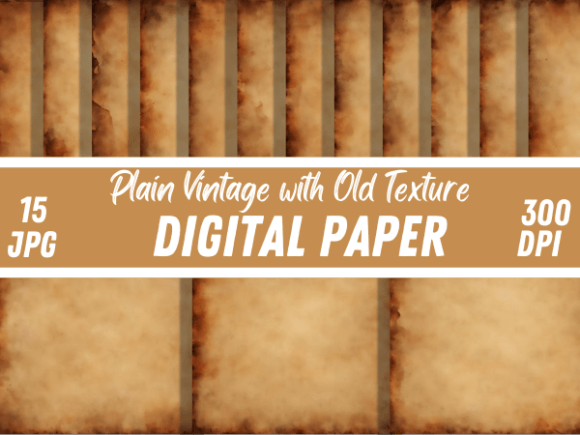
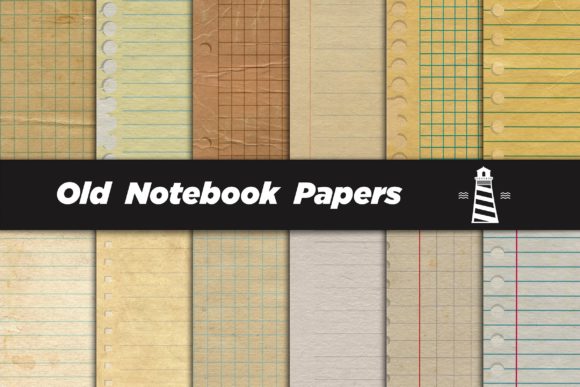
There’s a distinct feeling you get when you hold a well-worn journal or an old favorite paperback. It’s a sense of history, of stories already told and ideas waiting to be born. This tactile, nostalgic quality is incredibly powerful in design, and it’s exactly what Vintage Notebook Backgrounds delivers. This collection of 12 high-quality JPGs isn't just a set of textures; it's a toolkit for adding instant depth, character, and a human touch to your creative projects. Each 12x12 inch, 300 dpi file captures the subtle imperfections—faded ink stains, gentle creases, aged paper tones—that digital perfection often lacks.
The Soul of the Texture: More Than Just Paper
What makes these backgrounds so effective is their authenticity. They don’t look like a filter was applied; they feel like you scanned the actual endpapers of a century-old notebook. The visual personality is one of quiet sophistication and intellectual charm. You’ll find a range of styles within the collection: some have faint, ghostly ruled lines that evoke a writer’s private notes, while others feature the elegant, aged patina of a leather-bound journal’s cover. The color palettes are muted and organic—creams, tans, soft grays, and deep browns—ensuring they complement rather than overwhelm your primary design elements. This is classic, versatile texture that serves as a foundation, not a distraction.
The appeal lies in its ability to tell a story instantly. Using a Vintage Notebook Background as a foundation for a brand identity or marketing campaign suggests heritage, craftsmanship, and thoughtful curation. It whispers of authenticity in a world of sleek, often sterile, digital interfaces. For a modern typography enthusiast, it provides a beautiful contrast; pair a clean, geometric sans serif font with one of these textured pages, and the result is both contemporary and deeply rooted. It’s a premium font asset in its own right, offering a unique kind of design value that’s hard to replicate with software alone.
Practical Applications: From Screen to Print
The true strength of this asset lies in its versatility. As a designer or entrepreneur, having a library of such high-resolution textures allows you to approach a variety of projects with a distinct, cohesive aesthetic. Let’s break down where these backgrounds truly shine.
For Branding and Logo Design
A brand identity built on a vintage foundation speaks volumes. Imagine a boutique coffee roaster, a bespoke stationery company, or an independent bookstore using a texture from this set as the background for their logo design or business cards. It immediately establishes a brand perception of quality, tradition, and care. The texture can be used subtly as a watermark on letterheads or more prominently on packaging, creating a consistent and recognizable tactile experience for the customer.
In Digital and Editorial Design
Web designers and content creators can use these JPGs to break the monotony of flat color. A blog header featuring an old journal page instantly sets a reflective, intellectual tone, perfect for writers, historians, or life coaches. For social media graphics, a textured background makes quotes, announcements, and promotions stand out in a crowded feed. It adds a layer of visual hierarchy, drawing the eye and making content feel more curated and substantial. The same principle applies to editorial design for magazines or lookbooks, where a textured page can introduce a section or frame a feature story beautifully.
For Marketing, Packaging, and Personal Projects
Marketers can leverage this nostalgic appeal to create emotional connections. A direct mail piece or an email newsletter with a vintage paper background feels more personal and less like a mass-produced advertisement. In packaging design, these textures can be printed on inserts, tissue paper, or box interiors to elevate the unboxing experience. For crafters and hobbyists, the applications are endless: digital scrapbooking, creating custom invitations, designing unique art prints, or even as a background for product photography to add context and mood.
Making It Work: Guidance for Your Creative Process
Integrating a strong texture like this requires a bit of thoughtful execution. Here’s some practical guidance to ensure your projects look professional and intentional.
- Evaluate the Fit: Before you commit, consider your project’s core message. Is it about innovation and the future? A vintage texture might send a mixed signal. Is it about craftsmanship, legacy, or personal narrative? Then you’re on the right track. The texture should support your story, not contradict it.
- Master the Font Pairing: This is where modern typography meets vintage charm. The background itself has a lot of character, so your typeface choices need to be deliberate. A clean, strong serif font like Garamond or Baskerville can look authoritative and elegant. A simple, readable sans serif font like Helvetica or Open Sans provides a clean, contemporary counterpoint. For a more romantic or personal touch, a restrained script font or handwritten font can work, but ensure it remains legible. The goal is contrast and clarity.
- Test for Readability: Always check your text over the texture at various sizes. What looks good on your large monitor might be illegible on a phone screen. You may need to add a subtle semi-transparent overlay between the background and your text to ensure readability, especially for longer paragraphs. This is a common practice in web design and social media graphics.
- Leverage the Included Styles: With 12 different files, you have a range of moods. Some are lighter and better for dark text; others are darker and might call for light-colored type or be used as a dramatic frame. Don’t just pick one and use it everywhere. Review the collection and select the texture that best fits the specific piece you’re working on, whether it’s a bright social media post or a moody website hero image.
- Understand the License: For any commercial font or design asset, understanding the license is non-negotiable. These are typically provided for commercial use, allowing you to incorporate them into client work, products for sale, and marketing materials. However, you cannot resell the texture files themselves as standalone assets. This protects the original creator while giving you creative freedom.
Ultimately, Vintage Notebook Backgrounds is more than just a set of files; it’s a catalyst for creativity. It provides a ready-made foundation of warmth and history, allowing you to focus on building compelling designs that resonate on a human level. By pairing this timeless texture with thoughtful typography and strategic application, you can craft brand identities, marketing materials, and personal projects that feel both authentic and exceptionally professional. It’s a design asset that doesn’t just fill space—it tells a story.